

This year marked a significant milestone for our country as the United States of America is celebrated 250 years of independence. This presents an opportunity to reflect on what it took for our Nation to get here and what it will take to continue the legacy forward.
Generations of Americans built on what came before them. As wealth advisors, that story resonates with our team deeply. The same principle that carried our nation forward for 250 years also applies to the financial legacies families build today.
It Takes More Than One Generation to Build Something That Lasts
America’s founders laid a foundation — a set of principles and structures that were designed to outlast them. Generational wealth works similarly. A lot of hard work, sacrifice, and tribulations shape the journey of accumulating significant wealth during a lifetime. The next challenge is building something intentional, structured, and resilient enough for your children, grandchildren, and beyond to benefit from this work.
Many families don’t think about wealth in a legacy context. While they are busy with work, family, and life, their wealth grows quietly in the background, year to year and decade to decade. Nonetheless, there comes a time when an assessment of both the financial and non-financial capital of a family presents a great opportunity. The families who plan beyond their own lifetime are the ones who begin to build a family legacy.
According to PwC research
of family business owners want to keep their business in the family
have a documented succession plan in place
Whether you own a business or have simply worked hard to build financial security, the principle is the same: good intentions matter, but a true legacy starts with a strategy and an intentional plan.
What Generational Wealth Planning Actually Looks Like
Generational wealth starts with framing financial goals differently. Instead of asking “What do I need to retire comfortably?” or “What investment returns do I need to generate?” the more powerful question is “What is the wealth purpose for my family and how do I want my family to experience this wealth, both the possibilities and responsibilities?”
That shift in perspective influences how you structure your estate, how you title your assets, how you approach life insurance, how you have conversations with your kids about money, and ultimately the wealth values you might share and transfer.
But the right tax, legal, and financial structures are only part of the picture. Real generational wealth includes the values your family shares, decisions you make together, and the confidence and preparation of heirs. The families who sustain wealth across generations pass down purpose alongside assets. They have a communication system where they talk openly about money and bring the next generation into financial conversations early. The goal is not necessarily to share all the financial details of the family but to prepare and empower the next generations.
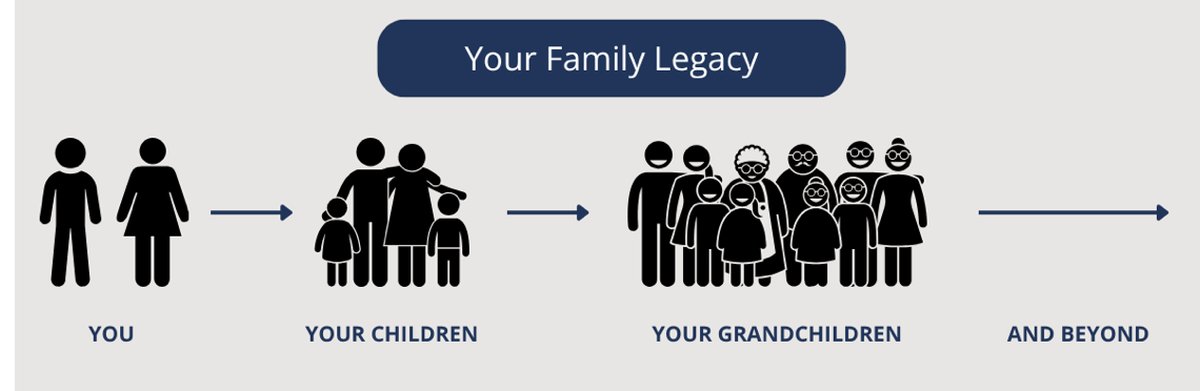
This year’s Independence Day was an opportunity to reflect not just on how far our country has come, but on what you have accomplished and what you are building for the people who come after you. At Krilogy, we help families answer that question with clarity and confidence.
Watch our conversation on what America’s 250th birthday can teach families about building a lasting legacy — clarifying values, documenting wishes, and preparing the next generation.
Passing wealth is one thing. Passing wisdom, governance, and shared purpose is another. Here’s how families prepare both — and why the soft work often determines whether the hard numbers last.